Collecting Areas

Russian, Slavic & Eastern European History

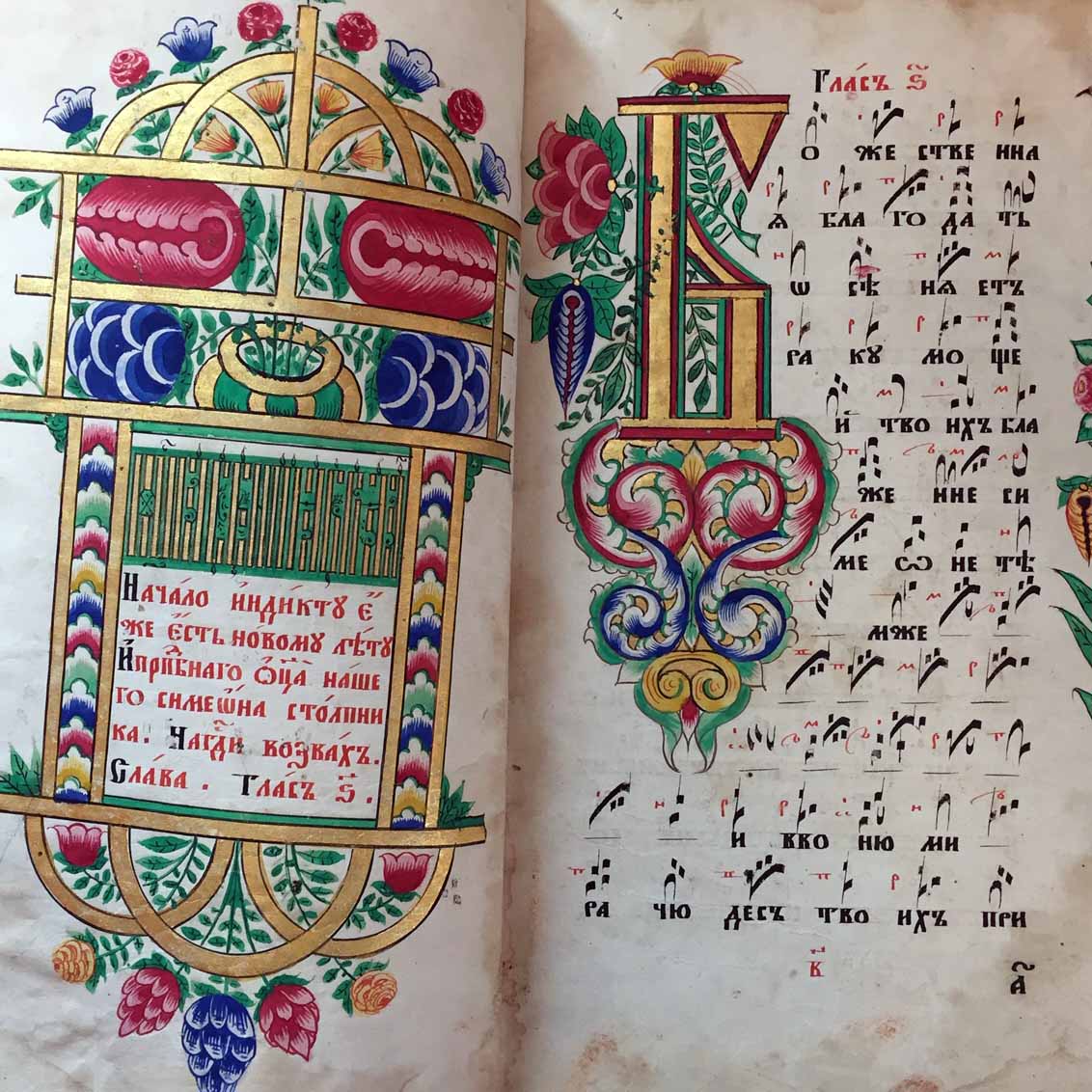
Faculty and students at Columbia have access to one of North America’s largest research collections for Slavic, East European, and Eurasian studies—both in the vernacular languages of these regions, as well as in English and Western European languages. Holdings range chronologically from a late 13th-century Serbian royal charter to the latest monographs from Bucharest. The Librarian for Russian, Eurasian & East European Studies actively collects new humanistic and social science imprints and electronic materials pertaining to, and in the various vernacular languages of, Albania, Belarus, Bosnia, Bulgaria, Croatia, Czech Republic, Georgia, Hungary, Kazakhstan, Kyrgyzstan, Macedonia, Mongolia, Montenegro, Poland, Romania, Russia (including some sixty ethnic minority languages), Serbia, Slovakia, Slovenia, Tajikistan, Turkmenistan, Ukraine, and Uzbekistan. (Armenian materials are the responsibility of the Librarian for Middle Eastern & Islamic Studies). Each year, via approval plans*, gifts, and special acquisitions, Columbia adds thousands of new titles to the collections. Cooperative partnerships with the Cornell University Library (known as “2CUL Slavic”) and with Princeton, The New York Public Library, and Harvard University Library further expand the resources at the disposal of students and faculty both locally and within the Borrow Direct and Ivy Plus Library Confederation networks by reducing duplication and ensuring geographical and linguistic coverage for the entire region.

Film, Media, & Performing Arts

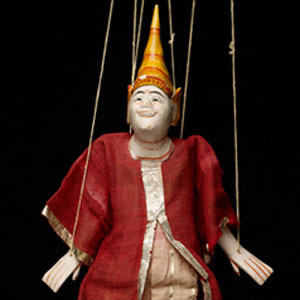
The Columbia University Libraries supports research in the theoretical, historical, critical and  interpretative aspects of film and media from pre-cinema through the present. The libraries also support research in the methods and application of filmmaking including aspects of producing, directing, acting, and, screenwriting. Collections are supported in a variety of formats: print, digital, and non-print media. 

Human Rights

The Rare Book & Manuscript Library (RBML) is the repository for archives that support the mission of the Center for Human Rights Documentation and Research: “to preserve and make available unique primary source materials related to the multi-disciplinary field of human rights.” The CHRDR is the official repository of the records of Amnesty International USA, Human Rights Watch, Human Rights First (formerly the Lawyers Committee for Human Rights), and the Physicians for Human Rights. The primary focus of collecting is documenting the human rights movement and the history of human rights advocacy.

History of Science & Medicine

The Libraries’ collections support research at all levels on various areas in the worldwide history of science and technology, including cosmology, the foundations of mathematics, the Scientific Revolution, chemistry and alchemy, origins and species before and after Darwin, the molecular revolution in biology, science during the Enlightenment, Arabic and Asian histories of science and medicine, and the history of computing and information technology. 

Columbia has been collecting in the history of science and technology since its founding in the 18th century. An 1818 purchase of new books for the burgeoning library included Herman Boerhaave’s Elementa Chemiae (first published in 1732), Anna Seward’s Memoirs of Dr. Darwin (first published in 1804), and works by the English zoologist Thomas Martyn. A major early purchase in the sciences was Columbia’s subscription to the “elephant folio” edition of John James Audubon’s The Birds of America, published from 1827 to 1838, Columbia being one of only three American educational institutions to subscribe for the work. 

African Studies (Sub-Saharan Africa)
African studies research and teaching at Columbia has always been located across the disciplines in various academic departments. During the 1950s, Columbia University was already considered an important site for research and teaching about Africa and its Africana collection was among the larger university-based library collections in the United States. Since then, at each stage in the development of African studies at Columbia, the Libraries has adjusted its acquisition activities and public services in response to the expressed needs of faculty and students.
Judaica & Israel Studies

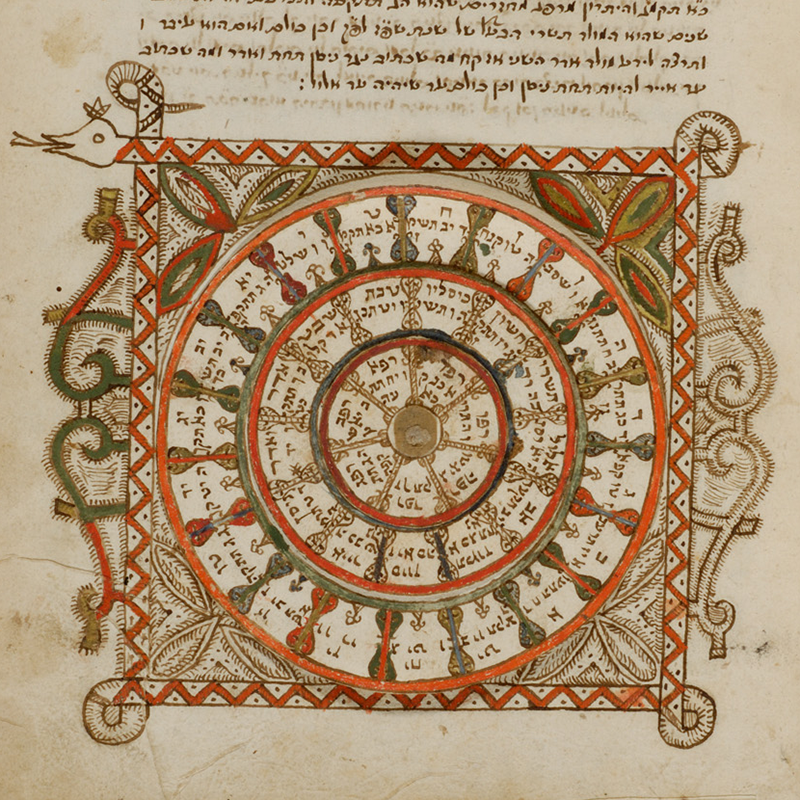
The Jewish studies collection at Columbia contains materials from the 10th to the 21st centuries, and from all over the world. Hebrew was taught at Columbia since its founding in 1754 and books about Hebrew language and Biblical studies were acquired from the university’s creation.  In 1892, with the help of professor Richard J. H. Gottheil, Chair of Rabbinic Literature and Semitic Languages at Columbia,Temple Emanu-El donated its impressive collection of 2,500 Jewish books and 45 manuscripts to the university. Many other important donations of personal papers and books followed, including Salo Baron’s purchase of some 700 manuscripts for the Libraries in the 1930s and the Oko-Gebhardt Spinoza Collection of nearly 4,000 books relating to Spinoza a couple of decades later. 

Architecture

The architecture collection contains material in the fields of architectural design, architectural history, decorative arts, design, fashion design, historic preservation, interior design, landscape architecture, real estate development, urban design, and urban planning. Material from all geographic regions and in all languages is collected. 

Children's Literature

The Rare Book and Manuscript Library (RBML) holds two primary collections which contain children’s books:  the Historical Collection of Children’s Literature, a large (10,000 volume) and diverse collection of children’s books, running through several centuries, continents, and formats, without being noteworthy in any particular aspect; and the largely Anglo-American George Arthur Plimpton collection of “our tools of learning,” which includes didactic juvenile material from all centuries.   

We are seeking to add books and printed materials that fill gaps in the Plimpton collection, including penmanship manuals and geographies; and those which might be interesting in relation to printing technology; useful or evocative in Columbia classes, by subject matter, format or imagery; relate to other areas of interest in RBML such as Russian émigrés, U.S. history (especially 19th and 20th century aimed at freed slaves, immigrants, or other specific groups); and Greek and Roman classics.

History of Literature & Publishing

RBML collects poetry and fiction, with an emphasis on literary translation and the diffusion of genres and movements (i.e. Romanticism) from the eighteenth century to the present (and earlier as opportunities present themselves). Book collecting emphasizes the current teaching and research needs of the Columbia campus and builds on collection strengths in eighteenth-century belles lettres, the novel, fine press and artist books, and twentieth-century small press production. Other strengths include “obscene” or erotic literature, poetry between the World Wars, the European realist novel, the Beats, African-American literature of the twentieth century, and contemporary poetry.  An effort is made to collect contemporary trade publishing that has significant artifactual value, such as a strong graphic or typographic element, unusual format, or intermedia component. Please see also our collecting statement on the performing arts.

Single-creator archival collections are not a strength of the RBML but exceptions are made for authors who are Columbia or Barnard alumni or faculty or whose careers touch another strength of the collection, such as those authors who are also publishers, who work in human rights, or who treat human sexuality. We hold the papers of William Bronk, Hart Crane, Stephen Crane and partial archives of several Beat authors, such as Jack Kerouac, Peter Orlovsky, Amiri Baraka, and Hettie Jones. The collection also includes the papers of important literary critics such as Mark Van Doren, Lionel Trilling, and Edward Said, and we will continue to collect the work of important literary critics and theorists, especially those based on campus or locally.

American History & American Studies

The Rare Book and Manuscript Library (RBML) collects personal papers and institutional records related to many aspects of U.S. history, with an emphasis on the Atlantic world, the Colonial Era and the Age of Revolutions, New York City, the U.S. Civil War, capitalism, business, and finance, charities and philanthropy, African Americans, social reform movements, intellectual history, and publishing and journalism. RBML prioritizes collections that support campus research and teaching, and those that relate to New York history.

Ancient and Medieval Studies

Columbia University Libraries has a long tradition of supporting research and teaching in premodern fields, which are amongst the oldest and most well established of academic disciplines. From the founding of the University in 1754 until 1916, Latin was a required part of the Columbia curriculum and the study of premodern history, literature, philosophy, and art has remained foundational to humanistic study. Columbia has long held a place as one of the premier centers of research and teaching in these fields. The AncMed collection, therefore, serves as a vital resource for scholars and students in at least eleven humanities departments with a foothold in the premodern world. It also provides foundational support for Columbia’s Core Curriculum, particularly Literature Humanities and Contemporary Civilization, the required first- and second-year undergraduate courses that grapple with large amounts of ancient and medieval literature and political philosophy.

Tibetan Studies

Since the 1960s, Columbia University has acquired Tibetan books and serials through the Public Law 480 Program and its successor, the Library of Congress South Asia Cooperative Acquisitions Program (SACAP), based in Delhi. Most materials thus procured were published in India, Nepal, Sikkim, and Bhutan. Since 1999, Columbia has also actively collected Tibetan-language materials from regions in the People’s Republic of China with sizable Tibetan populations (i.e. the Tibet Autonomous Region, Qinghai, Sichuan, Gansu, and Yunnan provinces) and minorities publishing houses (Ch. minzu chubanshe) in Beijing. The Tibetan collection at Columbia University is now the most comprehensive among university libraries in North America, with more than 12,000 titles and 15,000 volumes in Tibetan and Dzongkha —in addition to extensive holdings on Tibetan subjects in Chinese and Western languages. 

Comics & Cartoons

The Columbia University Rare Book & Manuscript Library (RBML) collects archives relating to comics creators, editors, and publishers, with an emphasis on New York-area professionals, in keeping with RBML’s larger focus on the history of publishing. RBML also collects materials related to comics fan culture, especially convention material, fanzines, and fan mail.  The collection welcomes all types of creators in the comics medium, including those who produce single-panel cartoons, comic strips, comic books, or graphic novels. Materials of interest include manuscripts, drafts, original art, roughs and tracings, correspondence, contracts, records, fanzines, artifacts, and other formats in support of research and teaching in comics studies as an interdisciplinary field.

Major collections currently held in this area are the Chris Claremont (X-Men) papers, the Al Jaffee (Mad magazine) papers, the Wendy and Richard Pini (Elfquest) papers, the Charles Saxon (New Yorker) papers, the Dennis Ryan editorial cartoon art collection, and the Kitchen Sink Press records, the last of which features over 40,000 letters between Denis Kitchen and every major underground cartoonist of the 1970s and 1980s. We also hold a small collection of Silver Age and underground comic books, comic-con programs, and, in the Pulitzer Prize Board archives, Pulitzer-winning editorial cartoons. The collections complement RBML’s holdings in American history and the history of publishing, as well as the Graphic Arts artist books collection and the Historical Children’s Literature collection.

Rare Books

Like the Rare Book & Manuscript Library as a whole, the rare book collections cover a wide range of subjects that range from 21st century artists books to cuneiform tablets. Some of our strengths include British and American literature and history, American literary annuals (“gift books”), the classics, Edwardian and Georgian poetry, the Beat Movement, the literature of European political movements, history of mathematics and astronomy, polar exploration, the history and science of photography, the history of printing and typography, type specimens, fine press and artists books.

Philanthropy & Social Reform

Archives devoted to social reform and philanthropy are a major feature of RBML’s collections, which include the records of important local, national, and international philanthropic organizations, as well as the papers of significant individual reformers and activists. The Carnegie Corporation of New York, founded in 1911 by Andrew Carnegie "to promote the advancement and diffusion of knowledge and understanding," is the centerpiece of these holdings, which also consist of the records of the Ford Foundation International Fellowship Program, the Community Service Society, the Funding Exchange, and numerous collections detailing the operation of New York City-based settlement houses, juvenile asylums, and senior-citizen programs.

Indigenous & Native American Studies

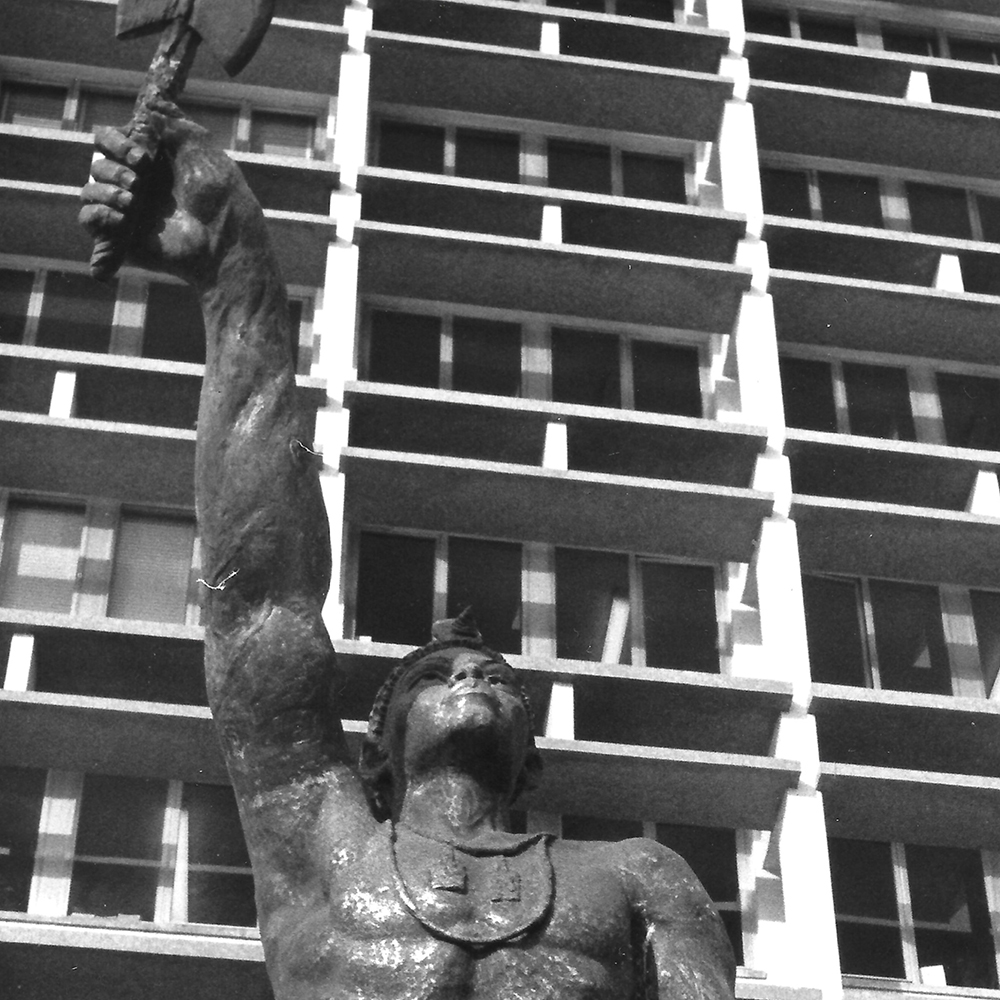
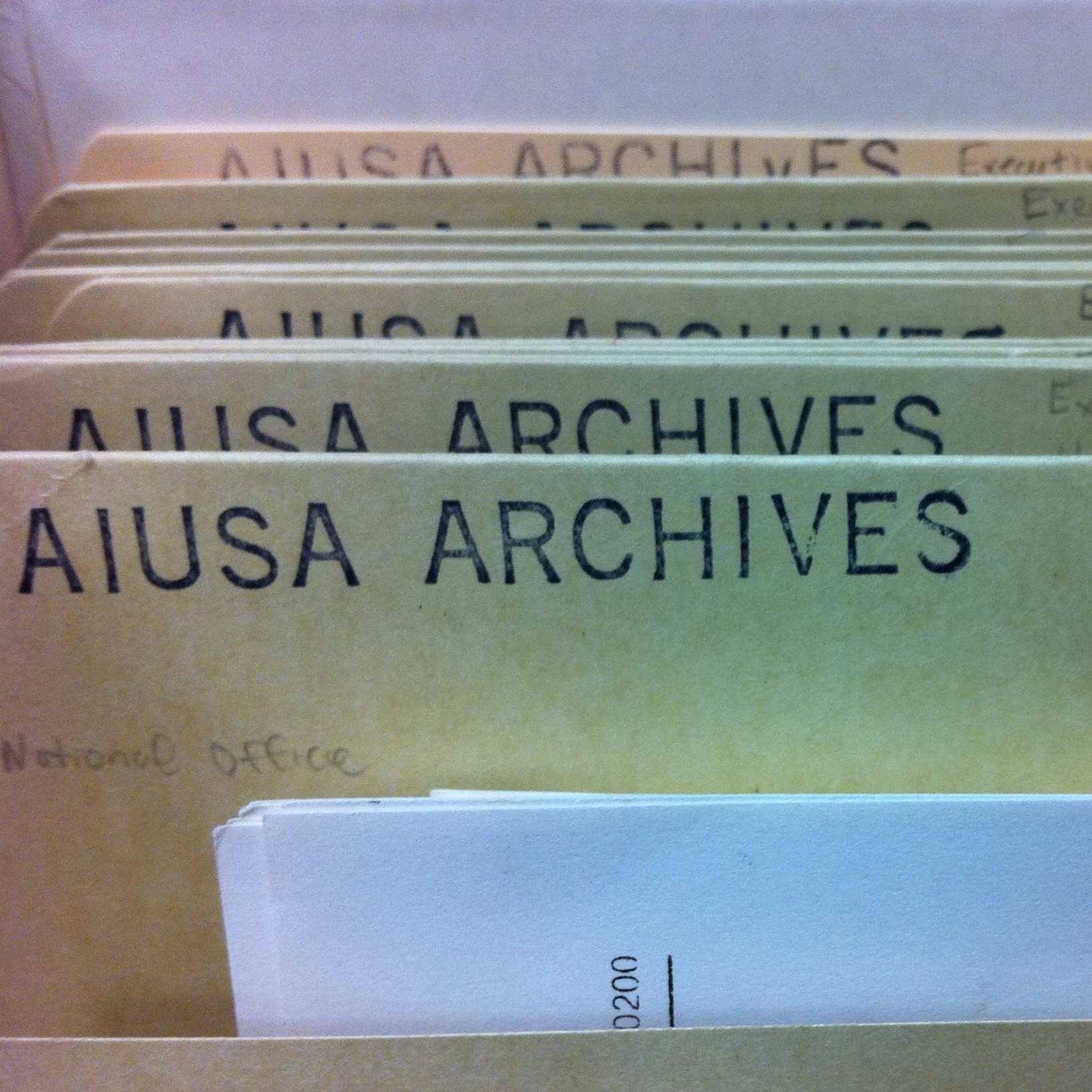
The Rare Book & Manuscript Library (RBML) does not actively collect Native American or First Nations archival materials, except where such collections fit into an existing collecting area such as publishing or Latino Arts and Activism. Nevertheless, over the last 100 years RBML has acquired many archives with Indigenous content.  

An incomplete list includes the George Hunt “Kwakiutl” manuscripts (Kwakwa̱ka̱ʼwakw), donated to Columbia by Franz Boas; the William Beynon and Henry Tate manuscripts (Tsimshian), also donated to Columbia by Franz Boas; Boas's field notes, dictionary, and grammar for the Chinook language; a set of Pliny Earle Goddard Field notebooks  (Mescalero Apache; Pomo; Maple Creek; Mad River; Coquille; Chasta Costa; Tututni; Navajo; Sarsi); the Elsie Worthington Clews Parsons collection (Hopi); the John Howard Payne papers (Cherokee); audio field recordings of songs in the Speech Laboratory Archives collection (Navajo, Tewa, Hopi, Kiowa, Arapaho, Comanche, Cadoo); and many colonial-era collections such as Philipse-Gouverneur family papers (Wappinger) and the Van Schaak family papers (Mohawk). 

Latin American & Iberian Studies; Latino Arts & Activisms

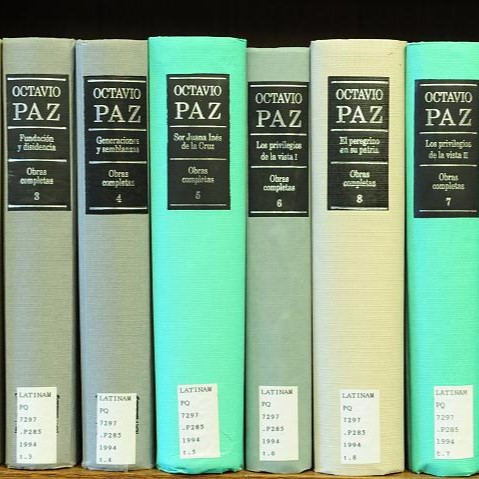
Columbia University Libraries has a long tradition of Latin American and Iberian studies (LAIS) collecting in support of research and learning at the University; additionally, our collection serves as a resource for scholars beyond Columbia. Columbia University had a professorship of Spanish language and literature as early as 1830; however, noteworthy and influential landmarks for the LAIS collections came later with the establishment of the Hispanic Institute (founded in 1920), the School for International and Public Affairs (founded in 1946), and the Institute for Latin American Studies (established in 1962).  

Women's Studies

Columbia University Libraries’ collections in women, gender, and sexuality studies support the research and instructional activities of the Institute for Research on Women, Gender, and Sexuality, and all other University department or concentration where gender or sexuality is a component of the coursework or research.