Russian, Slavic & Eastern European History
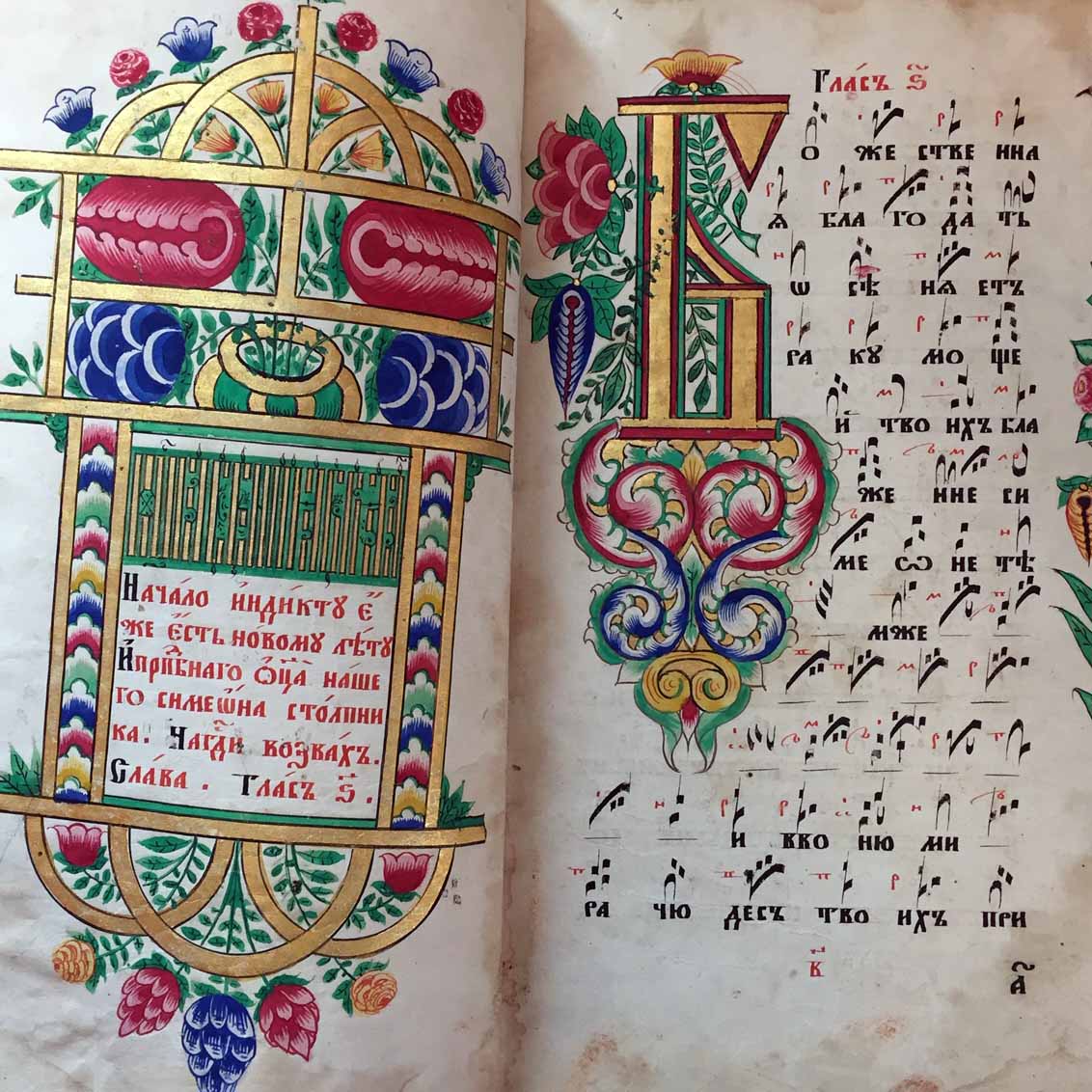
Faculty and students at Columbia have access to one of North America’s largest research collections for Slavic, East European, and Eurasian studies—both in the vernacular languages of these regions, as well as in English and Western European languages. Holdings range chronologically from a late 13th-century Serbian royal charter to the latest monographs from Bucharest. The Librarian for Russian, Eurasian & East European Studies actively collects new humanistic and social science imprints and electronic materials pertaining to, and in the various vernacular languages of, Albania, Belarus, Bosnia, Bulgaria, Croatia, Czech Republic, Georgia, Hungary, Kazakhstan, Kyrgyzstan, Macedonia, Mongolia, Montenegro, Poland, Romania, Russia (including some sixty ethnic minority languages), Serbia, Slovakia, Slovenia, Tajikistan, Turkmenistan, Ukraine, and Uzbekistan. (Armenian materials are the responsibility of the Librarian for Middle Eastern & Islamic Studies). Each year, via approval plans*, gifts, and special acquisitions, Columbia adds thousands of new titles to the collections. Cooperative partnerships with the Cornell University Library (known as “2CUL Slavic”) and with Princeton, The New York Public Library, and Harvard University Library further expand the resources at the disposal of students and faculty both locally and within the Borrow Direct and Ivy Plus Library Confederation networks by reducing duplication and ensuring geographical and linguistic coverage for the entire region.
Experts
Middle East & Islamic Studies Librarian
pm2650@columbia.edu
(212) 854-3995
Curator, Bakhmeteff Archive
tc241@columbia.edu
(212) 854-3986

Director, Avery Architectural and Fine Arts Library
tmh2004@columbia.edu
(212) 854-3068
Search Collections
Collection Development
We are dedicated to building and stewarding collections that have the greatest impact on research, teaching, and learning at Columbia. Our collection choices and long-term stewardship plans are made with regard to the advancement of the mission and goals of Columbia University. Our collections are dynamic, responsive, and purposefully developed to realize the value of collections overlooked. Collections are being shaped and continually enriched in ways that advance access to heritage materials representing varied contours of knowledge and diversity of content.