News
New Acquisitions | David Jacobs and the Situationists
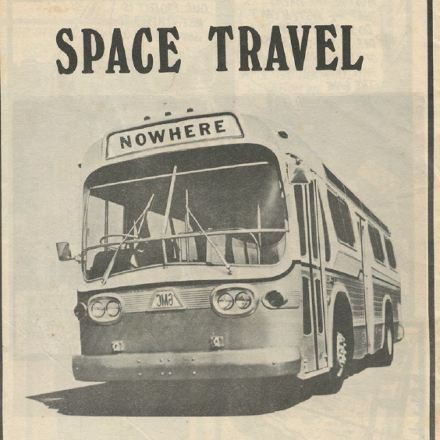
The Rare Book & Manuscript Library acquires the archive of David Jacobs, a writer, theorist, and activist whose personal papers illuminate the Bay Area counterculture network of the 1970s as co-creator of Point Blank!, a group heavily influenced by Situationist ideology.
Hunt-Berol 19th-Century American Sheet Music
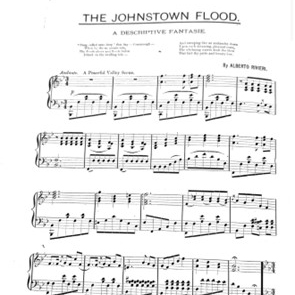
Abigail Edwards (CC’26) shares her work to process and make accessible the Hunt-Berol Sheet Music Collection, a "rich trove" of music published between the 18th and 20th centuries that was donated to Columbia in 1961 by collector and musician Arthur Billings Hunt.
The Pains and Gains of the Dolores Prida Papers
Laura Berrios Figueroa (GSAS’28), a participant in the Graduate Student Internship Program in Primary Sources, details her work to process the papers of Dolores Prida, a Cuban-born playwright and self-described theater worker, journalist, and poet, among many other roles.
Events | Curatorial Shorts at the RBML
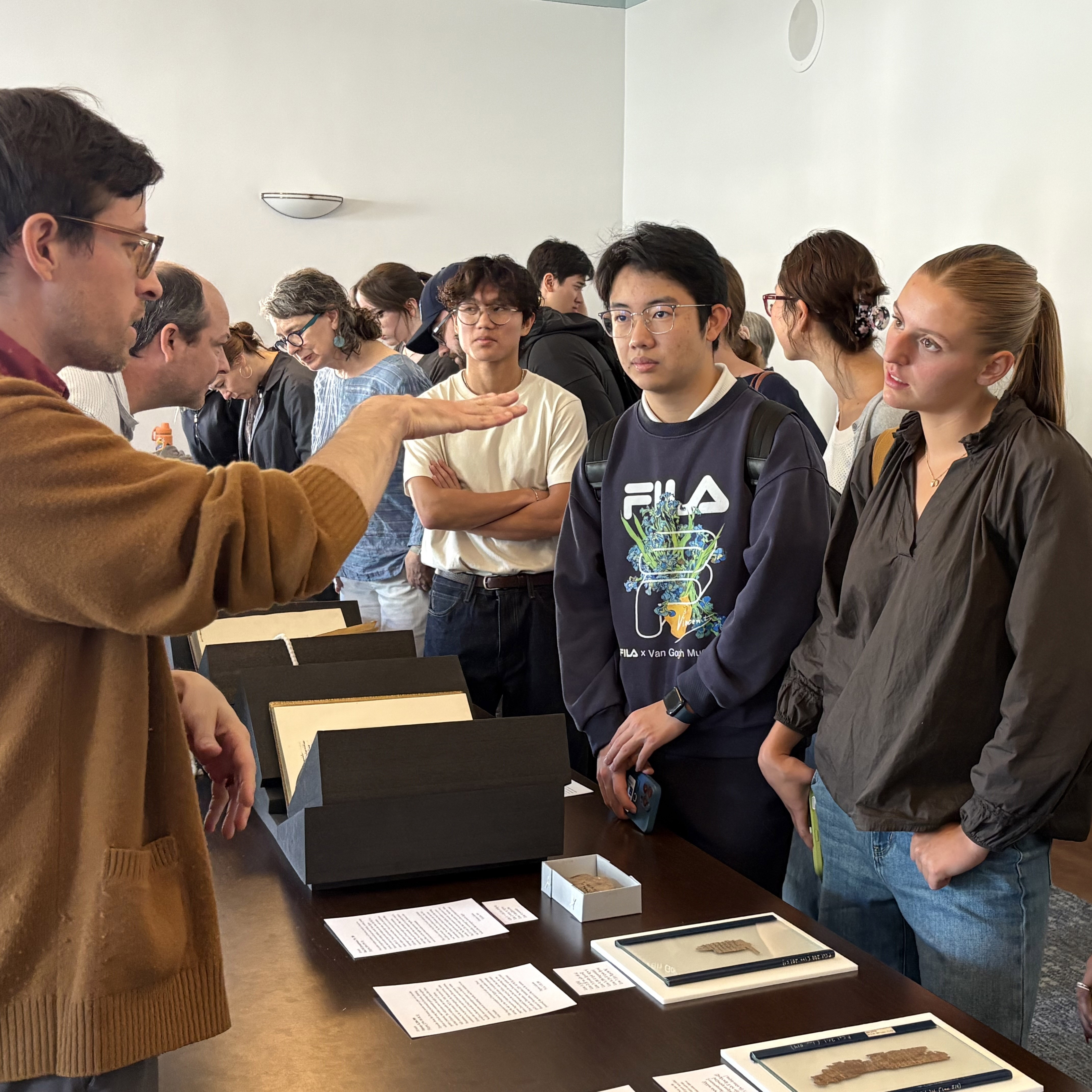
The Rare Book & Manuscript Library Curatorial Shorts series features conversations about new acquisitions, research findings, and other library news. Upcoming offerings include a discussion of processing the Toni Morrison editorial files in the Random House records by Processing Archivist Celeste Brewer.
Orienting to Oral History Resources at Columbia
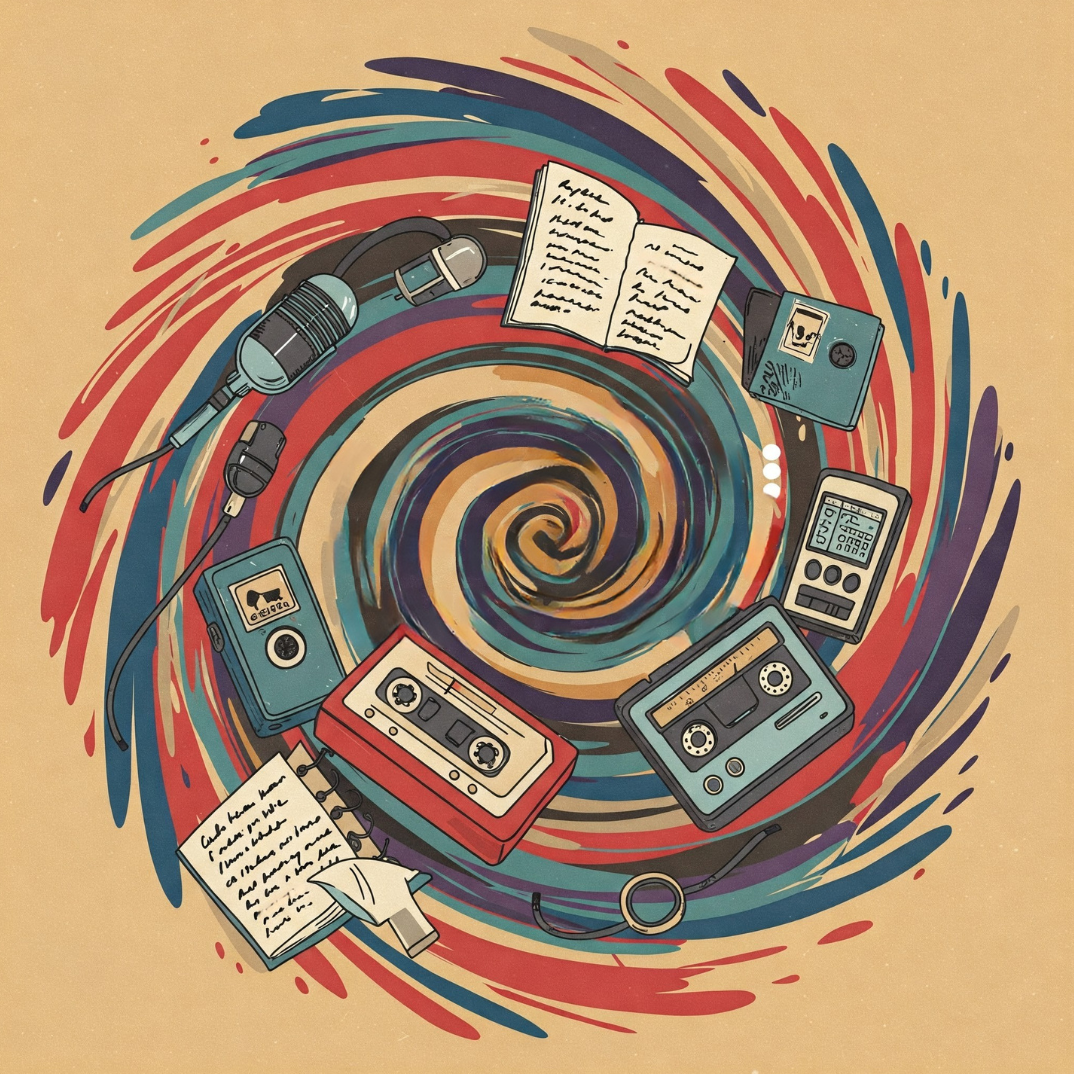
As one of the oldest institutional oral history collections in the US, the Oral History Archives at Columbia (OHAC) has many resources to help you understand, access, and engage with the range of oral history methods and primary sources available to the Columbia community.
The Hammerman: A Moving Statue
In the northeast corner of the Morningside campus, the sculpture Le Marteleur by Constantin Meunier, a gift from the Class of 1889 at the former School of Mines, greets visitors to the engineering school, though the statue has moved multiple times since its installation - and not always easily.
A to Z of Oral History: J is for Journalists
An A-to-Z guide to the Libraries' Oral History Archives: 'J' is for journalists - the Black Journalists oral history collection, more precisely, which preserves an extraordinary legacy of 93 voices that chronicled the African American press from the late nineteenth century through the early 1970s.
1784: Columbia College en Français?
Days after the Regents of the former King's College decreed that the school would be known as Columbia College, the committee made its first faculty appointment: a professor of the French language. University archivists address why a French instructor was the very first professor at Columbia.
Research in the Archives | Elizabeth McCall on Archival Housing
Researcher Elizabeth McCall visited the Rare Book & Manuscript Library to explore variations of archival housing and "how archival objects are continually shaped through different practices of keeping, from bindings and wrappers to boxes and conservation housing."
Art Properties and the Rare Book & Manuscript Library Acquire Gordon Parks Photographs
Art Properties and the Rare Book & Manuscript Library acquire photographs by pioneering African-American photographer and filmmaker, Gordon Parks, whose work at Life magazine featured a photographic series with writer Ralph Ellison called “A Man Become Invisible.”
1776: Battle of Harlem Heights
The once-disputed location of the 1776 Battle of Harlem Heights, a "much-needed morale boost" for the Continental Army in the American Revolution, was confirmed to have taken place in present-day Morningside Heights through the meticulous work of Columbia College alum Lincoln Diamant, 1943CC.
Archivist Pick: Artistic Encounters in the Archives
The latest installment in the Archivist's Pick exhibition series features six sets of materials drawn from newly-processed Chinese and Chinese-American archival collections from the C.V. Starr East Asian Library, united by a shared thread of artistic expression.
Lost and Found: The King’s College Seal
Did you know that the original engraving of the King's College seal, the predecessor to Columbia University, was lost for over 120 years? The Libraries recounts the history of the seal, which was believed to be lost until the early 20th century and is now held by the University Archives.