Oral History Archives
Welcome to the Oral History Archives at Columbia (OHAC), where thousands of unique voices converge to tell the story of our world. As one of the largest collections in the United States, we serve as the primary stewards of a living library, bridging the gap between the past and the present.
While our collecting began by documenting the "great figures" of politics and government, we have long since expanded our horizons to ensure that history isn't just a record of the few, but a chorus of the many. From the pioneers of science and medicine to the visionaries of film, philanthropy, and the arts, our holdings offer a richly diverse portrait of American life in all its complexity.
As a collection of materials housed within Columbia University’s Rare Book & Manuscript Library, we invite you to explore these materials and discover the human experiences that have shaped our collective identity.
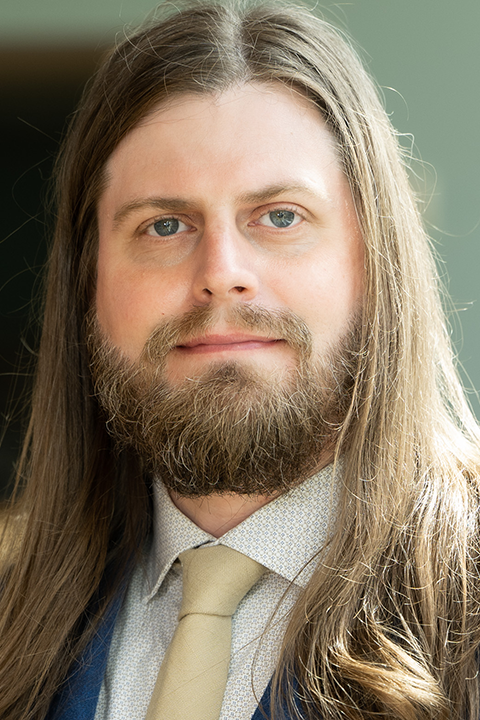
David A. Olson
Oral History Archivist
- Columbia Center for Oral History Archives
- Rare Book & Manuscript Library
Kimberly Springer
Curator of Oral History
- Columbia Center for Oral History Archives
- Rare Book & Manuscript Library
Looking to conduct your own oral history interview? This resource outlines questions to consider during the process and assists with best practice for choosing a subject, what types of questions to ask, and what to do after the interview has been conducted.