Cataloging & Metadata
Most cataloging at Columbia is performed within the Collections Acquisition & Metadata Services (CAMS) department. CAMS reports to the Associate University Librarian for Collections and is led by Mark Wilson. CAMS was formed by mergers of previous units, most recently the Cataloging & Metadata Services division (CAMS) and the Collections Acquisitions and Description division (CAD). The department handles copy and original cataloging, monographic ordering and receiving, and metadata coordination for digital collections.
Other aspects of bibliographic control are handled by Collection Strategies, which develops and manages policies for library collections and allocates and oversees the materials budget. Collection Strategies staff also manage Columbia's electronic collections.
CLIO Open Data
In an effort to further support the wide variety of research and experimentation happening around open library data, the Columbia University Libraries has made our catalog data open and available for download. Links to downloads and additional information can be found on the CLIO Open Data page.
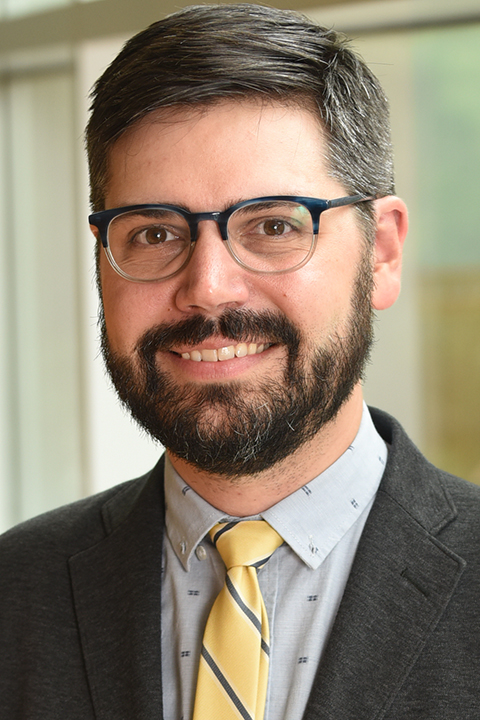
Matthew C. Haugen

Hideyuki Morimoto
Japanese Collections Cataloger
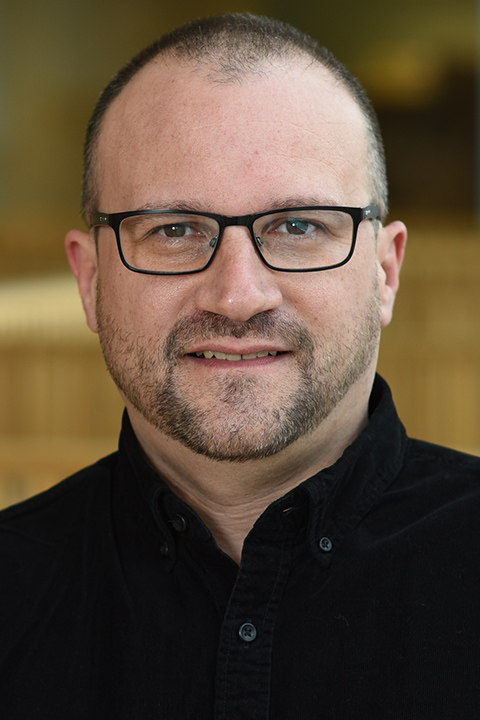
Matt Pavlick
Assistant Director for Acquisitions
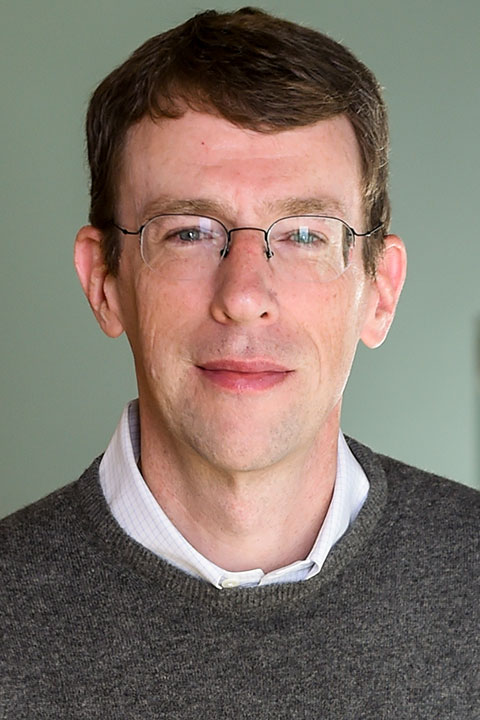
Robert J. Rendall
Assistant Director for Cataloging
Susan Cook Summer
Melanie Wacker
Head of Digital Resources Metadata
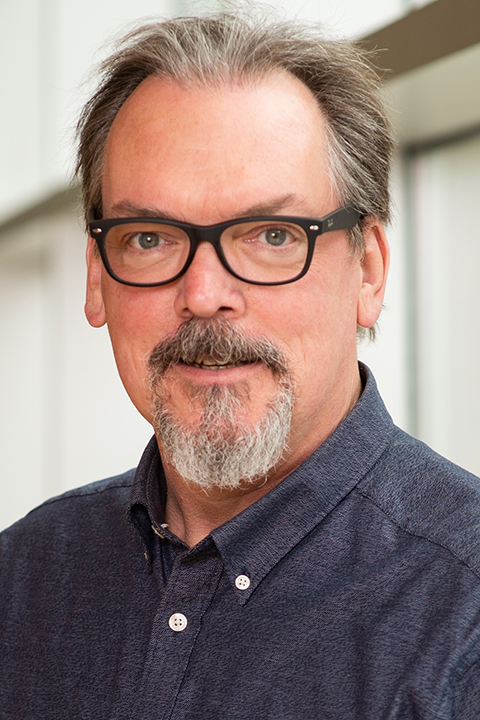
Mark Wilson
Director, Collections Acquisition & Metadata Services
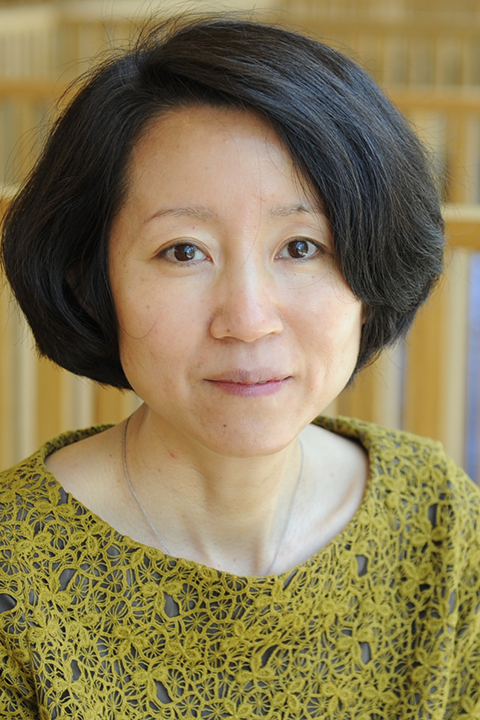
Wei Zheng
Chinese Collections Cataloger
This list includes staff from across the Columbia University Libraries. The Augustus C. Long Health Sciences Library and the Arthur W. Diamond Law Library maintain their own cataloging operations. In addition, Columbia is affiliated with the following libraries that are also responsible for their own cataloging: Barnard College Library; Jewish Theological Seminary Library; and Teachers College Library.
Feedback on technical problems, reports of cataloging errors, and general questions on Columbia's CLIO online catalog can be sent to: cliofeedback@library.columbia.edu.
For Columbia dissertations, contact digital repository staff: ac@columbia.edu.
Responsible for Analytics, Avery Architectural & Fine Arts Library, CONSER (Cooperative Online Serials) coordinator, Database maintenance, Rush Copy Cataloging, Serials
Robert J. Rendall
Assistant Director for Cataloging
- Collections Acquisition & Metadata Services
Responsible for Barnard College Library
Responsible for East Asian Library
Tri Melati
East Asian Technical Services Supervisor
- Collections Acquisition & Metadata Services
Responsible for Electronic Resources and Metadata
Melanie Wacker
Head of Digital Resources Metadata
- Collections Acquisition & Metadata Services
Responsible for Health Sciences Library
Michael D Koehn
Director for Library Operations
- Health Sciences Library
Responsible for Ivy Plus Libraries Confederation Web Collecting and Web Archiving.
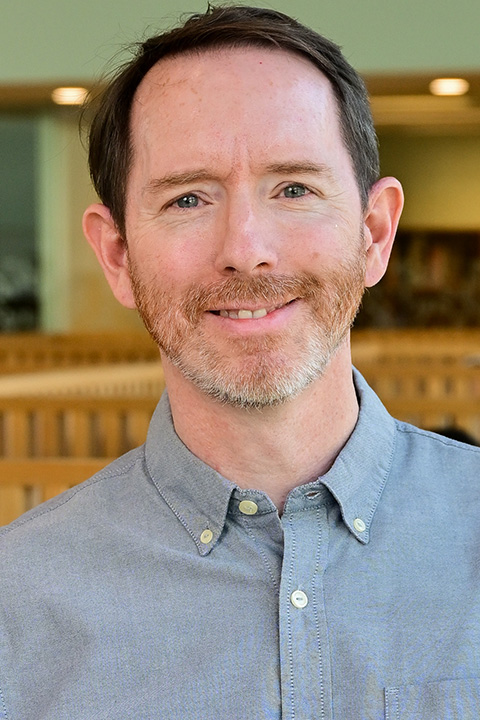
Alex Thurman
Head of Web Collecting
- Collections Acquisition & Metadata Services
Responsible for Law Library

Christina Peter
Head of Cataloging
- Law Library
Responsible for Microforms, NACO (Name Authority Cooperative Program) Coordinator, SACO (Subject Authority Cooperative Program) coordinator
Susan Cook Summer
Principal Cataloger
- Collections Acquisition & Metadata Services
Responsible for Music
Russell Gary Merritt
Cataloger
- Collections Acquisition & Metadata Services
Responsible for Oral History
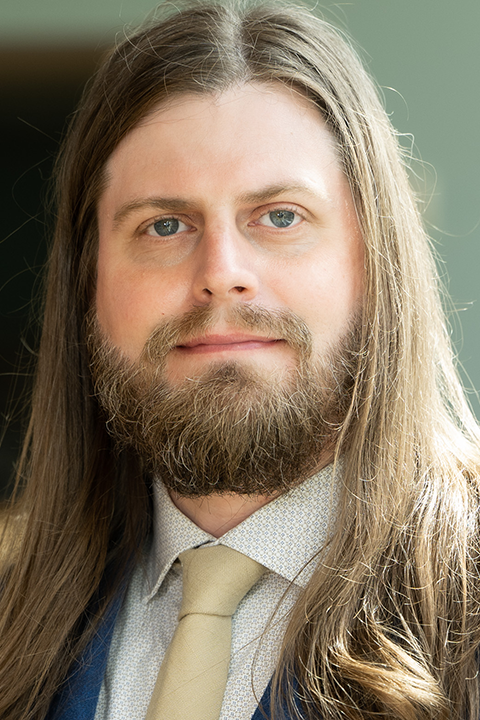
David A. Olson
Oral History Archivist
- Columbia Center for Oral History Archives
- Rare Book & Manuscript Library
Responsible for Rare Books (RBML, Burke, Avery)
Matthew C. Haugen
Rare Book Cataloger
- Collections Acquisition & Metadata Services
Responsible for Reader requests for in-process material
Mark Wilson
Director, Collections Acquisition & Metadata Services
- Collections Acquisition & Metadata Services
For Jewish Theological Seminary Library: David Kraemer, dakraemer@jtsa.edu, 212.678.8075
VACANT: Avery Classics and ReCAP/RECON Offsite Shelving Facility
As expressed in Columbia University Libraries' Statement on Inclusive Editing of Harmful Language in Library and Archival Descriptions, Collections Acquisition & Metadata Services at Columbia University Libraries are committed to inclusion and have undertaken efforts to revise and recontextualize library resource descriptions containing harmful language. We have also established technical solutions that enable the display of more respectful, accurate, and inclusive terminology in place of problematic terminology in some resource descriptions. Our staff also advocate for more inclusive cataloging and archival description practices at a national and international level through active participation in professional committees and conferences, presentations and publications, subject heading revision proposals, and similar efforts. Please read more about those activities in individual staff bios.
"On Outdated and Harmful Language in Library of Congress Subject Headings" RBML blog post by Celeste Brewer (October 19, 2021)
"Eleanor Roosevelt Speaks for Herself: Identifying 1,257 Married Women by Their Full Name" RBML blog post by Celeste Brewer (September 9, 2020)
Reports of harmful language and suggestions of alternative terminology can be brought to our attention by using the Suggestions & Feedback option in the Feedback/Help menu in CLIO, or by emailing cliofeedback@library.columbia.edu.
Remapping Harmful Terminology in CLIO, part of CLIO release v9.2.1, March 10, 2021 displays local terminology in place of certain harmful Library of Congress Subject Headings (LCSH) in CLIO.
Though the Library of Congress has also revised many of these terms, we continue to replace them when they appear in older records, in other vocabularies besides LCSH, and in catalog records from outside sources that we cannot edit directly.
The following local terminology is used in CLIO.
| Locally Displayed Term | Original LCSH Term |
|---|---|
| Noncitizens | Aliens |
| Undocumented immigrants | Illegal aliens |
| Undocumented immigration | Illegal immigration |
| Children of undocumented immigrants | Children of illegal aliens |
| Undocumented immigrant children | Illegal alien children |
| Undocumented immigration in literature | Illegal immigration in literature |
| Undocumented immigrants in literature | Illegal aliens in literature |
| Women undocumented immigrants | Women illegal aliens |
| Noncitizen criminals | Alien criminals |
| Noncitizens in motion pictures | Aliens in motion pictures |
| Church work with noncitizens | Church work with aliens |
| Noncitizens in literature | Aliens in literature |
| Noncitizens in art | Aliens in art |
| Noncitizens in mass media | Aliens in mass media |
| Foreign property | Alien property |
| Foreign property (Greek law) | Alien property (Greek law) |
| Foreign property (Islamic law) | Alien property (Islamic law) |
| Foreign property (Jewish law) | Alien property (Jewish law) |
| Foreign property (Roman law) | Alien property (Roman law) |
| Noncitizen labor | Foreign workers |
| Children of noncitizen laborers | Children of foreign workers |
| Noncitizen labor certification | Foreign worker certification |
| Women noncitizen laborers | Women foreign workers |
| Noncitizen laborers' families | Foreign workers' families |
| --Officials and employees, Noncitizen [subdivision] | --Officials and employees, Alien |