Digital Library & Scholarly Technologies
The Digital Library and Scholarly Technologies (DLST) department provides a focal point for the planning, coordination, infrastructure and implementation needs of Columbia's evolving digital library.
DLST Programs
- Collection-Based Digital Access. Creating digital representations and research tools based on Columbia's print, audio, visual and other collections, when appropriate in collaboration with other institutions and collections (see Libraries Digital Collections); supporting the creation of online exhibitions from Columbia's collections (see Libraries Online Exhibitions); supporting remote access to archival description (see Finding Aids).
- Born-Digital Content Management. Ingest, management and preservation of, and provision of access to, born-digital archival content received within archival collections acquired by CUL/IS special collections and depoisited in the Academic Commons institutional repository.
- Long-Term Digital Preservation. Working collaboratively with the Libraries Information Technology group, DLST is charged with developing systems, software and procedures for ensuring the long-term availability of digital content for which Columbia Libraries has responsibility. DLST also participates in planning and implementation of the Academic Preservation Trust preservation repository.
- Website Development. Providing technical, design, editorial, planning, training, and infrastructure support for the Libraries' web sites (LibraryWeb, Online Exhibitions, and StaffWeb (staff only), as well as Blogs, Research & Course Guides, and externally hosted platforms.
About the Department

Jack B. Donovan

Bradley E. Goldsmith

Bonnie Gordon
Technical Lead for Archival Systems

Dmitri Laury

Brian Luna Lucero
Digital Projects Librarian
Ed Madrid
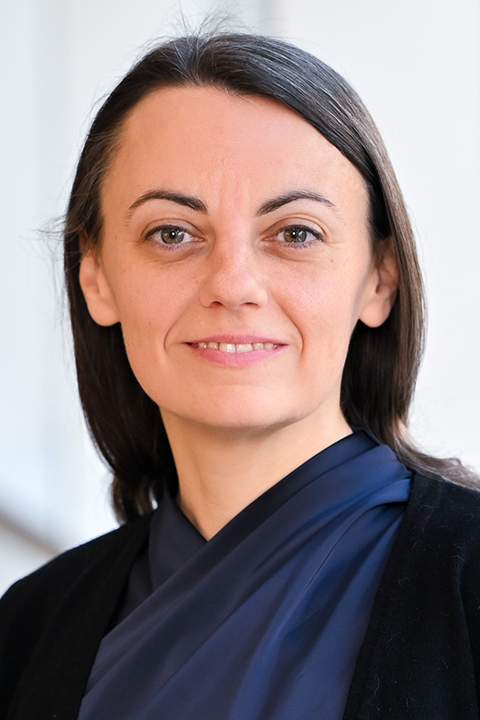
Jess Noble
Web Services & User Experience Librarian
Eric L. O'Hanlon
Head, Development, Infrastructure & Applications
Erik Ryerson
Senior Web Designer / Developer
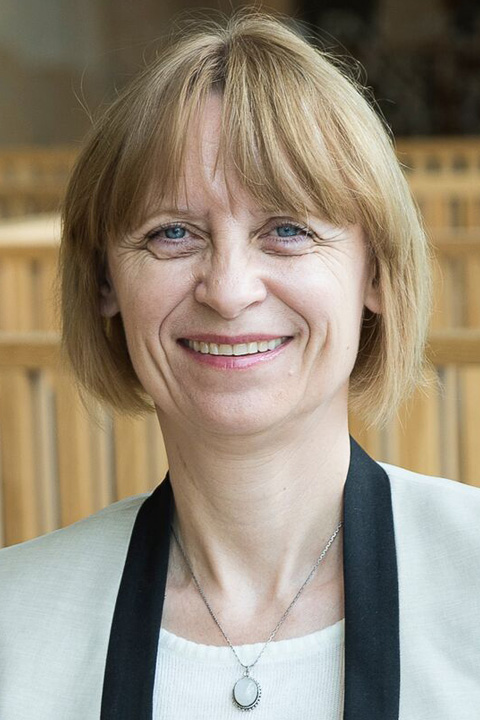
Dina V. Sokolova
Digital Preservation Librarian
Weronika M. Tomaszewska
Web Services provides content contributor support, as well as design, user management, systems, and technology support, for:
UX and user-centered design consulting and training, and usability assessment development for Columbia Libraries web presence
Accessibility compliance and consulting for our web properties across multiple systems hosted internally and by external vendors
The Libraries implementation of the Adobe Experience Manager (AEM) web content management system, which supports five major websites
- WordPress and WordPress MultiSite web content management systems
- The Libraries Hours Manager application and public-facing site, in partnership with DIAG for development and Access Services for content and contributor management
The Online Journals (OJS) project, in partnership with Open Scholarship (e.g., Columbia Journal of Gender and Law and others
Theme and front-end design work for the Podcasting project, in partnership with Open Scholarship, which is a WordPress multisite.
SpringShare Platforms including LibGuides for Research and Course Guides, and LibCal for Room Reservations in the Libraries
Collect and provide data about how our online content is used
We provide application development, programming, design, UX, and other support for:
The DLST Toolkit: a shared repository of design elements, applications, and widgets that allow us to easily maintain and modify branding and styles across our many web properties and that allow our partners and affiliates to use and customize these as needed
ILLIAD, AEON, Serials Solutions, CUIT’s Bedework Calendar system, and other third party or hosted systems
APIs that push and/or pull data from one system to another so that staff can edit information once but read/use it everywhere (e.g., Staff Profiles that push to LibGuides, the capability to pull events and workshops into our sites and push our events to other Columbia websites, Hours and maps that push information to CLIO, and more)
The ongoing needs of the Digital Collections & Preservation Systems group in DLST, particularly in design and front-end development work (e.g., specialized site templates and themes, the Carnegie Corporation DLC website, Ford IFP, and others)
Development Infrastructure and Applications (DIAG) is the team within Digital Libraries and Scholarly Technologies charged with creating and integrating the software systems with which the library and its partners preserve, describe, publish, and manage digital collections.
Sustainable custodianship of these systems is DIAG's defining responsibility: We work closely with Libraries Technology Services to avoid the compounding security risks and corrective costs of lapsed maintenance. The team also shares responsibility for content management and back-office applications with other groups in Technology & Preservation, for faculty research consultation with Digital Scholarship, and for outreach and training with units across the libraries.
This list of Principle Languages, Platforms, and Tools offers a view into what the staff in DLST, particularly in DIAG, use in our work.
Team Portfolios
Each DIAG team member acts as a technology lead on one or more of the following:
- Libraries' Collections Online
- General catalog and specialized discovery platform (DLC)
- Online Exhibitions
- Online Archival Discovery (Finding Aids)
- Columbia Scholarly Output
- Institutional Repository (Academic Commons)
- Electronic Journals (OJS)
- Original Research (Faculty collaborations and sites)
- Identification, Description and Publication of digital collections
- Ingest, description. publication of CUL digital collections (Hyacinth)
- Digital Object Deposit Infrastructure (Ingest APIs and Processes; Archivematica)
- Reusable web publication of digital assets (IIIF and streaming media)
- Citation infrastructure (DataCite and CrossRef DOIs)
- Minimal publication tools for digital collections (Static sites/Wax)
Team Principles
As a team, we strive to organize our work around these guiding principles:
- We anticipate changes to the projects, environments, and data with which we work, and pursue the currency of skill necessary to accommodate those changes strategically.
- We build trust, capacity, and flexibility by cross-training team members in shared application support and committing to tested and documented code.
- We maximize the results of our efforts when our expertise and solutions are reusable across projects and shareable with partners internal and external to the Libraries.
- We support our colleagues in the library best by automating unnecessary rote interventions and building tools to support library staff in the unmediated maintenance of their collections' data.
- Repository infrastructure and technology tools (e.g., Fedora, Samvera)
- Metadata creation and management tools: (the locally developed “Hyacinth” product; ArchivesSpace integrations)
- Digital content access tools and platforms (e.g., Blacklight, Solr, Omeka)
- Multimedia management and access (e.g., Wowza and IIIF)
- Preservation support (e.g., FRED forensic workstation, Archivematica)
- Web design and development, UX support (local and vendor-based platforms)
- Web Content Management platforms management, development, and access (e.g., Adobe Experience Manager WCMS, Wordpress, vendor-based system integrations)
Digital Library & Scholarly Technologies was established in 2002 as the Libraries Digital Program Division (LDPD), and was one of the first such programs in the U.S. Part of its original mission was to further the preservation of, and access to, digitized and born-digital collections, and that continues to be a key component of the department's mission. The department also supports technology, design, and user experience optimization for the Libraries' online presence. This 2003 report to the Digital Library Federation describes its original mission and some of the projects initiated at that time.
In November 2016, the scope of the LDPD was expanded, and the department was renamed the Digital Libraries and Scholarly Technology (DLST) group. The broader scope includes supporting technology projects and platforms for the Digital Scholarship group (formerly the Center for Digital Research and Scholarship). The Web Services team and the Digital Infrastructure & Applications Group (both described above) evolved as a result of this shift in scope.